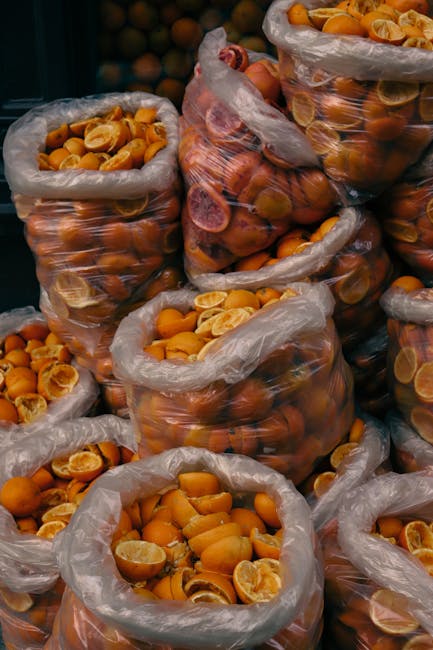
Berwick Street market waste tips for Soho stallholders
If you trade at Berwick Street, you already know waste is never just "rubbish". It is the cardboard after a busy delivery, the bruised fruit at the bottom of a crate, the cling film, the food prep scraps, and the odd broken chair that somehow becomes everyone's problem by 10:30 a.m. Good Berwick Street market waste tips for Soho stallholders are about more than tidiness. They help you work faster, keep the pitch looking professional, and avoid the small headaches that turn into bigger ones when the market gets busy.
This guide breaks the subject down in plain English. You will get practical steps, simple sorting ideas, common mistakes to avoid, and the kind of real-world advice that actually helps on a cold London morning when the stall is already stacked high and the van is waiting. To be fair, waste planning is not the glamorous side of market life. But it is one of those behind-the-scenes habits that keeps the whole operation running smoothly.
If you want a broader overview of responsible disposal for local businesses, it can also help to understand business waste removal and how it supports day-to-day trade in busy central London settings. For traders dealing with larger clear-outs, bulky packaging, or mixed loads, the right approach often saves time as well as stress.
Table of Contents
- Why Berwick Street market waste tips for Soho stallholders Matters
- How Berwick Street market waste tips for Soho stallholders Works
- Key Benefits and Practical Advantages
- Who This Is For and When It Makes Sense
- Step-by-Step Guidance
- Expert Tips for Better Results
- Common Mistakes to Avoid
- Tools, Resources and Recommendations
- Law, Compliance, Standards, or Best Practice
- Options, Methods, or Comparison Table
- Case Study or Real-World Example
- Practical Checklist
- Conclusion
- Frequently Asked Questions
Why Berwick Street market waste tips for Soho stallholders Matters
Berwick Street is a live, working market space. Space is tight, footfall changes through the day, and a small pile of waste can become a nuisance very quickly. That is why waste handling is not just a back-room task. It affects presentation, safety, trading pace, and how easy it is to pack down at the end of service.
For Soho stallholders, the stakes are a bit higher than people often assume. One overflowing bag, one broken box, one wet patch on the pavement, and the stall starts to feel chaotic. Customers notice. Neighbouring traders notice too. And when deliveries, customer flow, and collection timings all overlap, the waste stream can get messy very fast. A clean stall is not about perfection. It is about control.
There is also a simple commercial reason. Better waste habits reduce repeat handling. If cardboard is flattened as it comes in, food waste is separated early, and broken packaging is taken off the pitch straight away, you save precious minutes. Those minutes matter in a market day. Especially when the queue appears out of nowhere, which it often does.
Expert summary: The best market waste systems are boring in the best possible way: simple, repeatable, and easy for everyone on the stall to follow even when things get hectic.
How Berwick Street market waste tips for Soho stallholders Works
The basic idea is straightforward: separate waste at the source, store it safely, and remove it promptly. In practice, though, that means building a routine around the way your stall actually operates. Different stalls create different waste patterns, and that changes the whole plan.
A fruit and veg trader, for example, may deal with soft organic waste, damaged packaging, and damp produce trimmings. A clothing stall might produce more cardboard, plastic wrap, hangers, tissue paper, and the occasional broken display item. A food stall usually needs tighter control because waste can create smell, slip risk, and hygiene issues very quickly. One size rarely fits all.
A sensible waste setup usually has three layers:
- Separation at the stall, so recyclables and general waste do not get mixed needlessly.
- Containment using the right bags, bins, or crates for the waste type.
- Removal through an agreed routine so waste does not sit around until the end of the day and then become a scramble.
If your stall regularly generates bulky items, damaged stock, old display fittings, or larger mixed loads, it may be worth looking at a more organised waste removal service rather than trying to manage everything in small ad hoc trips. In many cases, the value is in consistency, not just disposal.
Let's face it, no trader wants to spend half the afternoon wrestling flattened boxes into a bin that was already full before lunch.
Key Benefits and Practical Advantages
Good waste handling delivers a lot more than a neat-looking stall. It affects the whole trading rhythm.
- Cleaner customer experience: Shoppers feel more comfortable at a stall that looks orderly and smells fresh.
- Faster pack-down: If the waste is already sorted, closing time is less frantic.
- Better use of space: Soho pitches are precious. Waste should not eat into display space.
- Lower trip hazards: Bags, straps, broken boxes, and loose packaging are a classic little hazard. Easy to overlook, easy to trip over.
- Less contamination: Keeping recyclables separate can improve how much material is actually recoverable.
- Reduced stress during busy periods: A small system saves mental energy. You stop reacting and start running the stall.
There is a quieter benefit too: better habits make teamwork easier. If staff know where each type of waste goes, nobody has to guess. You are not shouting across the stall at 1 p.m. trying to work out where the broken crate disappeared to. Been there, regretted it.
For traders focused on sustainability, it may also help to review recycling and sustainability guidance from a service provider that understands commercial clearances. Small changes can add up across a trading week.
Who This Is For and When It Makes Sense
This advice is for stallholders who want a practical, low-fuss way to keep waste under control at Berwick Street market. It makes sense if you are:
- a food trader handling daily organic waste and packaging
- a fresh produce seller dealing with damaged stock, crates, and cardboard
- a vintage, fashion, or accessories stall with packaging, hangers, and display waste
- a pop-up trader with short trading windows and no room for waste mistakes
- a long-term stallholder trying to improve pack-down speed and presentation
It also makes sense if your current system is "we'll sort it later", because later tends to arrive just as the market is winding down and everyone is tired. That is when waste gets mixed up, bags burst, and the whole thing becomes a bit of a mess.
If you are handling bulky items, clearing old shelving, or replacing a lot of stock fixtures at once, a specialist service such as furniture disposal can be more practical than trying to break everything down yourself. And if the items are reusable, a broader furniture clearance approach may be the better fit.
This is also useful for seasonal changes. Summer trading can produce different waste than winter trading. Christmas rush, event weeks, and weather-related stock issues all change the picture. Truth be told, the stall that works perfectly in March may feel underprepared by December.
Step-by-Step Guidance
Here is a simple system you can adapt for most Berwick Street stalls.
-
Map your waste types.
List what your stall creates in a normal day: cardboard, film wrap, food waste, soft plastics, damaged produce, broken packaging, cleaning waste, and anything else that appears regularly.
-
Group waste by handling need.
Ask a simple question: what must be kept separate, what must be bagged immediately, and what can wait until pack-down? This stops every item being treated the same, which is where the waste pile starts growing.
-
Set up clear containers.
Use labelled bags, boxes, tubs, or bins so staff can act quickly without having to think too hard. A stall is a working environment, not a seminar.
-
Flatten, compact, and secure.
Cardboard should be flattened early. Light packaging should be contained before wind, rain, or foot traffic spreads it around. A gust down Berwick Street can make a small problem feel dramatic very fast.
-
Create a collection routine.
Decide who handles waste at what point in the day. Midday checks matter if the stall gets busy. Do not leave it all for the final ten minutes.
-
Keep a final sweep.
Before shutting down, check under tables, behind displays, and around storage crates. Small scraps hide in awkward places. Always.
-
Review once a week.
If waste is building up in one category, adjust the system. Maybe the packaging format changed. Maybe deliveries are arriving differently. The point is to notice early, not after a month of irritation.
A useful habit is to pair waste checks with opening or closing duties. That way, nobody has to remember an extra standalone task. The process becomes part of the rhythm of the stall, which is exactly where it belongs.
Expert Tips for Better Results
Small refinements make a big difference in a busy market.
- Use the right bag strength for the waste type. Thin bags fail at the worst time, usually when they are just full enough to be awkward.
- Keep wet waste separate from dry packaging. Wet cardboard and food residue cause smell, mess, and extra handling.
- Store cleaning materials separately. Cloths, gloves, and wipes should not get mixed with food waste or recyclable material.
- Build a "quick clear" box. One small container for loose bits, broken ties, labels, and tiny packaging can stop clutter spreading across the stall.
- Train every temporary helper the same way. A casual helper on a Saturday should be able to follow the system without a long explanation.
- Think about odour and visibility. If waste is visible to customers, it should be neat. If it smells, it should be removed earlier.
One practical trick is to keep a spare flattened cardboard stack tied neatly until collection. It takes up less space, looks tidier, and makes pack-down feel less chaotic. Simple, but effective.
If your stall work occasionally overlaps with refurbishment, fit-out, or repair activities, builders waste clearance can be relevant for heavier debris like timber offcuts, broken shelving, or packaging from installation work. Not every trader needs it, but when you do, you really do.
Common Mistakes to Avoid
Most waste problems at market stalls are not dramatic. They are small habits that snowball.
- Leaving waste sorting until closing time. Once you are tired and rushed, mistakes multiply.
- Mixing food waste with recyclable packaging. Contamination reduces the usefulness of the whole bag or container.
- Overfilling bags. Overfilled bags split. They also waste time because someone has to deal with the fallout.
- Using the stall floor as temporary storage. It works for about five minutes. Then it gets in the way.
- Ignoring bulky waste. One broken stand or old shelf can cause more disruption than ten small bags.
- Not agreeing responsibility. If everyone thinks someone else will handle the waste, nobody will. Classic problem.
Another mistake is assuming that "local market life" automatically means waste can be handled casually. It cannot. Busy public spaces need a bit of discipline, especially when customers are moving around close to the stall front.
A tiny example: a trader with mixed bags of soft packaging and produce waste might save a few seconds at first, but later spend ten minutes untangling a sticky, leaking, unpleasant mess. That is not efficiency. That is debt.
Tools, Resources and Recommendations
You do not need fancy equipment to manage stall waste properly, but a few practical tools help a lot:
- Robust sack holders or bins to keep bags upright and stable
- Labelled crates or tubs for sorting cardboard, reusable materials, and rubbish
- Heavy-duty gloves for handling sharp or dirty items
- Compact trolley or sack truck for moving waste safely when collections are off-stall
- Reusable ties or straps for flattened cardboard
- Sealable containers for anything that can smell or leak
When you are comparing disposal support, it is worth looking at whether the service offers clear pricing, safe handling, and a sensible collection plan. The page on pricing and quotes can be a useful starting point if you want to understand how a professional service may structure the job. And if you care about how waste is handled after collection, a provider's recycling and sustainability approach matters too.
For businesses that also run office space nearby, or use back-of-house storage that gets cluttered over time, the broader office clearance service may be helpful for occasional deep resets. Different setting, same principle: less clutter, less friction.
Law, Compliance, Standards, or Best Practice
Waste handling for stallholders should always be approached carefully and in line with current local requirements and accepted UK practice. Because rules can change and may depend on the type of waste and the way your stall operates, it is sensible to treat this as a practical best-practice guide rather than a substitute for official advice.
In general, good compliance habits include:
- Separating waste responsibly rather than mixing everything together
- Keeping waste contained so it does not spill, smell, or create a nuisance
- Using appropriate collection methods for general, recyclable, and bulky waste
- Protecting staff and the public from sharp edges, leaks, and trip hazards
- Following contract and service terms where collections or removals are arranged in advance
It is also sensible to keep your own internal procedures simple enough that they are actually followed. A beautifully worded policy that nobody remembers is not much use, is it?
If your stall setup involves repeated removals, staff moving heavier items, or temporary storage areas, check that your waste handling process fits with your wider health and safety policy and that insurance considerations are clear. A business should know who is responsible for what, especially when people are lifting, stacking, or moving waste through tight spaces.
For businesses that prefer to confirm terms before booking, the terms and conditions page can help set expectations around service arrangements and customer responsibilities. And if you want to understand the business behind the service, the about us page is a sensible place to start.
Options, Methods, or Comparison Table
Different stallholders handle waste in different ways. The right method depends on volume, waste type, and how much time you have at pack-down.
| Method | Best for | Strengths | Limitations |
|---|---|---|---|
| On-stall bag sorting | Small to medium daily waste | Simple, low-cost, easy to train staff on | Can become messy if volumes rise suddenly |
| Crate-based separation | Cardboard, packaging, and reusable items | Good visibility, easier to flatten and stack | Needs space and consistent tidying |
| Scheduled collection support | Regular mixed or bulky waste | Reliable, less strain on staff, more predictable | Works best when volumes are steady |
| One-off clearance | Seasonal reset, refurbishments, surplus stock | Useful for big clean-outs and changing stall layouts | Not ideal for routine daily waste |
If your issue is mainly day-to-day waste, keep it lean and simple. If the issue is a bigger clear-out, it is often more efficient to use a service that can remove everything in one go rather than trying to piece it together over several days.
For example, if you are refreshing stock display equipment, old furniture or tired fixtures may need removal too. In that case, furniture clearance is usually a better fit than handling it as ordinary market rubbish.
Case Study or Real-World Example
Picture a busy Friday morning on Berwick Street. A small food and drink stall has just finished its first rush. By 11:15, there are cardboard sleeves, a few damaged fruit crates, food scraps from prep, and packaging from the early delivery. Nothing huge. Nothing dramatic. But if it all goes into one growing pile, the stall starts to feel cramped and untidy by lunchtime.
Now imagine the same stall with a simple system: cardboard flattened immediately, food waste bagged separately, packaging dropped into a marked container, and a mid-morning sweep done before the next rush. The stall stays clearer. Staff are not stepping around clutter. Customers get a better view of the products. Closing time is quicker too, because the waste is already in the right place.
The difference is not about working harder. It is about removing friction. In a market environment, that counts for a lot. A trader who builds a waste routine into the day usually ends up with less stress, fewer mistakes, and a pitch that feels calmer to work in. Small thing? Maybe. But small things shape the day.
Practical Checklist
Use this quick checklist before, during, and after trading:
- Have I identified the main waste types my stall creates today?
- Are bags, bins, or crates clearly labelled and easy to reach?
- Is cardboard flattened as soon as it is empty?
- Is food waste kept apart from dry packaging?
- Have I planned who clears waste during the trading day?
- Is there a safe place for bulky or awkward items before collection?
- Have all helpers been shown the same routine?
- Is the stall floor free from loose scraps, leaks, and trip hazards?
- Do I know what needs a one-off clearance rather than normal waste handling?
- Have I reviewed whether my current system is still working well?
Once this becomes routine, it stops feeling like a checklist and starts feeling like common sense. Which, to be fair, is exactly what the best systems do.
If you are ready to improve your setup or deal with a bigger clear-out, speak to a specialist who understands local business waste properly and can advise on the safest next step. For direct help, you can use the contact us page.
Get a free quote today and see how much you can save.
Conclusion
Good waste management at Berwick Street is not complicated, but it does reward attention. When stallholders keep waste separated, compact, and under control, everything runs better: the pitch looks smarter, pack-down is smoother, and the whole trading space feels less tense. That is the real value of smart Berwick Street market waste tips for Soho stallholders.
Start with the basics. Know your waste types. Use simple containers. Remove clutter before it spreads. Then refine the system as you go. You do not need a perfect setup on day one. You just need one that works reliably on a busy London market day, rain or shine.
And if a bigger clearance is looming, do not try to bodge it with extra bags and goodwill alone. A proper plan saves time, protects the stall, and keeps your head clear. That bit matters more than people admit.
Keep it tidy, keep it simple, and let the stall do the talking.
Frequently Asked Questions
What are the best Berwick Street market waste tips for Soho stallholders?
The best tips are the simple ones: separate waste at source, flatten cardboard early, keep food waste sealed, and clear the stall in stages rather than leaving everything to the end.
How do stallholders keep waste from taking over a small pitch?
Use compact containers, label them clearly, and move waste off the display area as soon as possible. In a tight pitch, waste should never be allowed to become part of the layout.
Should food waste and packaging be stored together?
Usually no. Mixing food waste with dry packaging causes contamination, smell, and extra handling. Keeping them separate is cleaner and easier to manage.
What is the simplest waste system for a market stall?
A basic three-way system works well for many traders: general waste, recyclable packaging, and food or wet waste. It is uncomplicated and easy for new staff to follow.
When does a stallholder need a bigger clearance rather than normal waste handling?
If you are clearing old fixtures, bulky display items, large volumes of packaging, or surplus stock after a refresh, a one-off clearance is usually more sensible than routine waste handling.
How often should Berwick Street stall waste be removed during the day?
That depends on trade volume, but a mid-session check is usually wise on busier days. The key is not to let waste pile up until closing time.
What are the most common waste mistakes on busy market days?
Common mistakes include overfilling bags, mixing waste types, leaving loose scraps on the floor, and assuming someone else will sort it out later.
Can waste handling help improve how the stall looks to customers?
Absolutely. A tidy waste system makes the stall look more professional, keeps smells down, and helps customers focus on the products instead of the clutter.
Do stallholders need special equipment for waste management?
Not always, but sturdy bags, labelled containers, gloves, and a trolley or sack truck can make a big difference in a tight working space.
How can I make waste sorting easier for temporary staff?
Keep the system simple, use clear labels, and show helpers the routine at the start of the shift. If they can follow it without asking twice, it is probably well designed.
What should I do with old stall furniture or broken display pieces?
That kind of waste is better handled separately. Depending on the condition of the items, furniture disposal or furniture clearance may be more appropriate than ordinary waste disposal.
How do I know whether my waste process is good enough?
If your stall stays clear, pack-down is predictable, and nobody is constantly improvising, you are probably in a good place. If you are regularly fighting overflow or mixed waste, it is time to tighten the system.