Office Clearance in Soho

Office Clearance Soho needs a practical, careful approach because commercial premises often contain desks, storage, electronics, archived paperwork and mixed fittings that all need handling in the right way. We provide a straightforward office clearance service for businesses that want their space emptied with minimum disruption and clear communication throughout. Whether you are removing a small number of items or clearing a whole floor, the work is planned around access, item separation and a sensible order of removal.
Our service covers the lifting, sorting and removal of office contents so the space can be handed back, reconfigured or prepared for refurbishment. We handle general office furniture, display units, cabinets and routine non-hazardous waste, with attention to items that may need separating before they leave the premises. Clear planning matters when different materials and item types are involved, so we keep the process organised and predictable from the start.
If you need a clearer view of costs or the most suitable service route, see pricing and quotes and use it alongside your own list of items. You can also request a quotation once you know what needs clearing and when access can be arranged.
Office furniture and workstation removal
Desks, chairs, meeting tables and storage units are often the largest part of an office clearance, and they usually set the pace for the whole job. We remove these items in a way that helps keep walkways open and reduces the chance of disruption to the building. If a premises still contains staff equipment or shared furniture, the work can be sequenced so the more awkward pieces come out after smaller portable items have been sorted.
Workstations often involve more than the obvious furniture. Cable trays, monitor arms, shelving, pedestals and freestanding partitions may all need attention, and each item may need a different handling method. Some customers want a full strip-out of loose office contents, while others only need selected areas cleared. The most useful approach depends on what remains in use, what is being replaced and what must be left in place for the next stage of the project.
Choosing the right clearance scope
When planning furniture removal, it helps to identify what is staying, what is moving elsewhere and what is being disposed of. That decision shapes the order of work and the vehicle space needed for loading. If you are comparing options, it can be useful to think about whether you need a targeted item removal or a broader room-by-room clearance. Keeping the scope precise avoids confusion and supports a smoother handover.
Paper, archives and mixed office contents

Paper records, archived folders, stationery and small office accessories can take far longer to clear than they first appear, especially where storage is spread across cupboards, cabinets and shelves. These contents are often mixed with reusable items and non-reusable waste, so they should be handled with a simple sorting process. We can clear bulk paper materials alongside general office contents, which helps prevent piles of loose paperwork from slowing down the rest of the job.
Many offices also contain mixed loose items such as noticeboards, small kitchenware, reception accessories and boxed equipment. These are best removed as part of a structured clearance rather than as random single-item collection. If a room contains both personal belongings and business materials, separating them before the removal starts makes the task more efficient. In practice, that means deciding what should stay, what should move to another room and what can leave the building with the clearance team.
For larger or more complex clearances, the most helpful next step is usually to review business waste removal if you need regular or mixed commercial disposal, or to view the office clearance service if you want the broader overview on the main service page. If you are ready to discuss a particular set of rooms, a short enquiry is enough to start.
Electronics, cabling and specialist items
Offices often include electronics that need slightly more care than ordinary furniture, such as computers, printers, phones, small appliances and peripheral equipment. These items may be part of a clearance, but they should still be separated from general waste where that makes practical sense. We can remove office electronics as part of the wider service, while keeping the process orderly so the contents are not mixed together unnecessarily.
Cabling, docking stations, chargers and similar accessories can accumulate in drawers and under desks, and they are easy to overlook if the clearance is left until the last minute. A tidy approach helps ensure nothing important is removed by mistake and nothing unnecessary is left behind. If your premises includes shared IT spaces, reception equipment or back-office storage, the clearance may need to be broken into zones so each area is dealt with in the correct order.
Practical points before removal starts
Before the clearance begins, it is sensible to identify any items that must remain on site, any equipment that needs to be disconnected and any areas with restricted access. Where possible, labelled rooms and a simple item list make the work easier to organise. If photographs are available, they can also help describe the space, but they are not the only way to request a quotation. Clear instructions on access and item types are often enough.
Office clearances for moves, refurbishments and closures

Office clearance work is often tied to a move, a refurbishment or the end of a lease, and each situation brings a different level of urgency and coordination. When the main concern is keeping the project moving, a clearance service needs to work around the order in which rooms are handed over. We can remove office contents in a way that supports the next stage, whether the space is being vacated completely or partially reconfigured.
For refurbishment projects, the work may involve stripping out loose furnishings and leaving the fixed structure clear for contractors. For relocations, the focus is usually on removing what is not moving to the new premises. For closures, the clearance can cover everything from furniture and storage to the final loose items that tend to remain after the main packing is finished. Each situation benefits from a plan that matches the building, the timetable and the level of access available.
If you also need to understand the difference between a targeted clearance and a larger removal, home clearance and flat clearance pages show how item-based clearances are described elsewhere on the site, while house clearance gives another example of how removal work can be grouped by property type. The same careful planning principle applies in an office setting: keep the scope clear, then choose the right clearance level.
Working method, access and quotations
Commercial clearances are easier to manage when access details are checked in advance. That includes lifts, stairs, loading points, parking restrictions and any building rules that affect removal times. A clear briefing makes it easier to estimate the labour involved and decide what equipment or vehicle space may be needed. If the site has multiple floors or restricted corridors, that should be mentioned early so the job can be planned realistically.
A useful quotation request usually sets out the main items, the rooms involved and the level of access available. If you can also say whether there are bulky items, fragile contents or anything that needs to remain on site, that helps shape the estimate. Good preparation does not need to be complicated; it simply gives enough detail for the work to be priced and scheduled sensibly. When you are ready, a short message can be the best starting point.
- Identify the rooms, floors or storage areas to be cleared.
- List bulky items, electronics and anything that must stay.
- Note access limits such as stairs, narrow corridors or loading restrictions.
- Include any timing requirements linked to handover or refurbishment.
About Soho
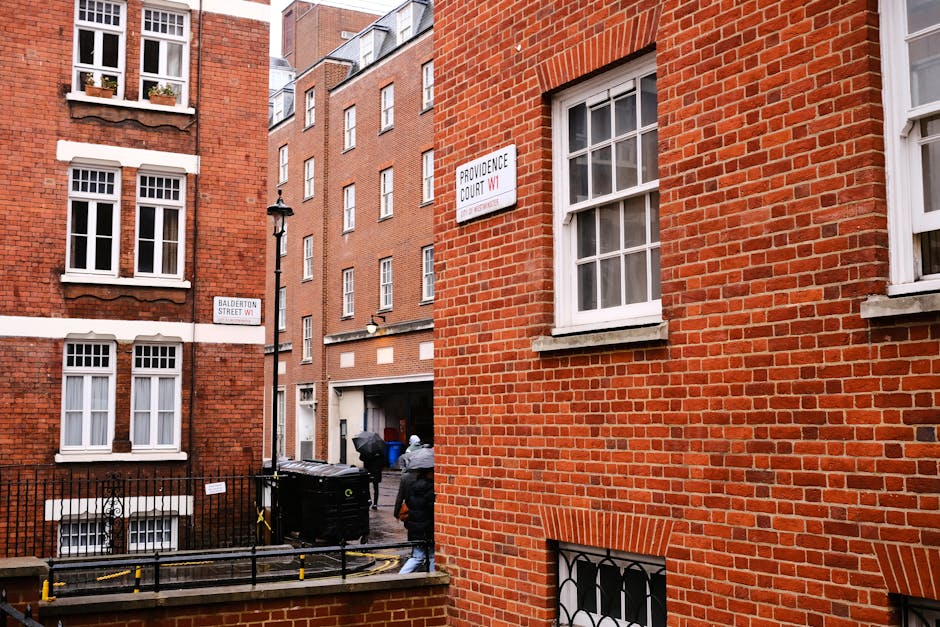
Soho is a compact and densely layered district in central London, long associated with theatres, restaurants, small businesses and a busy street pattern that reflects centuries of change. Historically part of the parish and manor landscapes west of the City, it developed from open land into an urban quarter during the seventeenth century and later became known for its cosmopolitan mix of uses. The area is closely connected with neighbouring districts such as Mayfair, Covent Garden and the West End, yet it has its own distinct identity built around narrow streets, lively corners and a high concentration of independent venues. Its architecture is varied rather than uniform: there are Georgian terraces, altered commercial buildings, later infill and converted upper floors that show how the district has adapted over time. Soho Square, one of the best-known open spaces, provides a calmer centre within the surrounding street grid, while nearby streets carry a dense mix of hospitality, media, creative and retail activity. The district’s long association with entertainment and night-time culture has shaped its character, but during the day it is also a place of offices, studios and professional services. That blend of old building fabric, active street life and mixed commercial use gives Soho a distinctive urban rhythm that sets it apart from the larger West End around it.
Recycling, reuse and responsible disposal
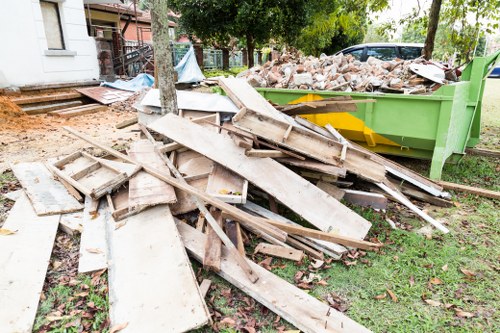
Many office clearances create a mixture of reusable items, recyclable materials and general waste, so it is helpful to think about disposal in categories rather than as one single load. Furniture may be suitable for separation from metal fittings, paper items and electronics, and some contents may be better handled individually rather than bundled together. We approach the work with that separation in mind, because a structured clearance makes the outcome easier to manage and easier to explain.
Where items are no longer required, the objective is to remove them cleanly and handle them in a sensible order. Offices often produce a surprising volume of mixed material from storage cupboards, reception areas and meeting rooms, and the best process is usually the one that keeps categories apart for as long as practical. Reuse and recycling decisions are easier when the clearance scope is clear at the outset, especially if you are removing a mixture of furniture and smaller office contents.
You can also look at recycling and sustainability if you want a broader view of how different material types may be handled across the business. If you are comparing office-focused pages, furniture clearance and furniture disposal may also help you decide whether a particular piece should be removed as part of a wider office clearance or as a separate item-specific job.
Business premises, shared spaces and specialist rooms
Some office clearances are straightforward single-room jobs, but many involve shared reception areas, meeting rooms, break rooms and storage zones that each contain different items. A sensible plan avoids treating every room in the same way. For example, a reception may contain display furniture and small electronics, while a back office may be dominated by filing and shelving. The clearance can be shaped around those differences so the work stays orderly from one area to the next.
Specialist rooms often need separate attention because they contain a mix of practical and decorative items that should not be rushed. Boardrooms, executive offices and archive spaces may hold bulky furniture, paper records and equipment that all have different handling needs. If the building is still in use while the clearance takes place, the work may also need to be phased so active areas stay functional. That is one of the reasons a clear room-by-room description is so useful at quotation stage.
What to consider before booking
If you are preparing to move ahead, think about whether the clearance is for a single suite, an entire floor or several separate rooms. It also helps to note whether any items are being reused on site, transferred to another branch or set aside for collection later. The more clearly the scope is defined, the easier it is to match the service to the job. For the final step, send your enquiry when you are ready and include the key details that describe the space.
Final steps for a smooth office clearance

A well-run office clearance ends with the space left in a condition that suits the next stage, whether that means refurbishment, handover or simply a cleaner layout. The work is most effective when the contents have been sorted sensibly, the access has been understood in advance and the removal order has been matched to the rooms available. That practical approach saves time and helps prevent avoidable confusion on the day.
If your premises contain items that are still in use, it is worth making those distinctions early so the clearance team can work around them. If the office is empty except for remaining furniture, the work may be more direct, but it still benefits from a clear description of the items, the layout and the access route. In either case, the aim is the same: remove what needs to go and leave the premises ready for what happens next.
For a straightforward next step, ask for a quotation once you have the room list and item types to hand. If you have already reviewed the relevant pages, you can keep it simple and just provide the essentials. A concise enquiry is usually enough to begin planning the clearance and agree the most suitable way forward.