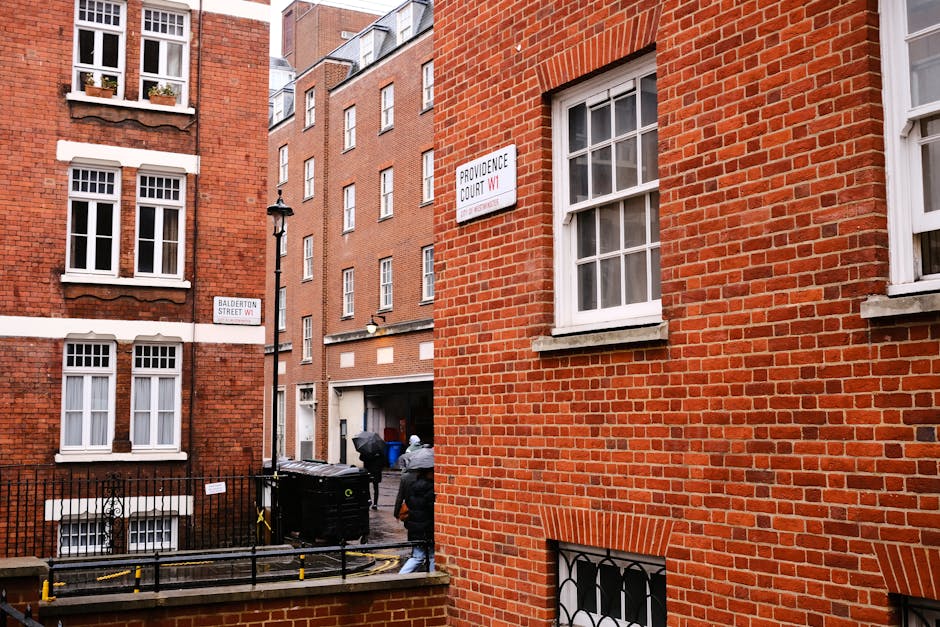
Dean Street flat clearance case study in Soho
Dean Street in Soho has a very particular rhythm: tight stairwells, busy pavements, mixed-use buildings, and not much room to make mistakes. That is exactly why a Dean Street flat clearance case study in Soho is useful. It shows what a well-planned flat clearance looks like when the job is in a central London location where access, timing, and discretion matter just as much as the lifting itself.
If you are dealing with a flat that needs clearing after a move, a tenancy change, a refurbishment, or simply years of accumulated furniture, the process can feel bigger than it first appears. Where do you start? How do you avoid blocking a shared hallway? What happens to bulky furniture, mixed waste, or items that still have some value? This guide walks through the practical side of the job, using a realistic Soho setting and the kind of decisions that make the difference between a smooth clearance and a stressful one.
You will also find related guidance on flat clearance services, plus useful references for furniture clearance and responsible recycling and sustainability where those details become part of the plan. Let's get into it.
Table of Contents
- Why Dean Street flat clearance case study in Soho Matters
- How Dean Street flat clearance case study in Soho Works
- Key Benefits and Practical Advantages
- Who This Is For and When It Makes Sense
- Step-by-Step Guidance
- Expert Tips for Better Results
- Common Mistakes to Avoid
- Tools, Resources and Recommendations
- Law, Compliance, Standards, or Best Practice
- Options, Methods, or Comparison Table
- Case Study or Real-World Example
- Practical Checklist
- Conclusion
- Frequently Asked Questions
Why Dean Street flat clearance case study in Soho Matters
Soho is not a typical neighbourhood. Dean Street in particular can turn a simple flat clearance into a logistics puzzle. Buildings may have narrow access, shared entrances, limited waiting space outside, and neighbours who quite understandably do not want a corridor blocked for half the day. That is why a case study approach matters: it reveals the practical realities behind the service, not just the headline idea of "remove items from a flat".
Flat clearances in central London often involve a mix of furniture, broken household items, old electronics, bagged waste, books, clothing, and things people forgot they still owned. In a place like Soho, these jobs are rarely only about volume. They are about timing, care, and keeping disruption low. Truth be told, that is where many clearance jobs succeed or fail.
A good Dean Street case also shows why local knowledge counts. If a team understands how to work around resident access, stair-only buildings, short loading windows, and the general bustle of the area, the job tends to run more smoothly. You feel it straight away: less waiting, fewer awkward moments, and far less stress. And if the clearance includes furniture that can be reused or diverted from disposal, the process becomes even more efficient.
Expert summary: In Soho, a successful flat clearance is not just about removing items quickly. It is about planning access, reducing disturbance, sorting items correctly, and leaving the property ready for its next use without drama.
There is also a broader value here. A case study gives landlords, tenants, estate managers, and homeowners a realistic picture of what to expect. That makes decisions easier, especially if you are comparing options or trying to plan a handover date with a hard deadline.
How Dean Street flat clearance case study in Soho Works
The process usually begins with a survey or a detailed phone discussion. The team needs to know what is in the flat, how much there is, which floor it is on, whether there is a lift, what time access is allowed, and whether any items need special handling. A small flat can still be awkward if the staircase is tight or the building has restrictions. You would be surprised how often that matters more than raw item count.
From there, the job is planned around labour, vehicle access, and disposal routes. Items are normally separated into broad categories: reusable furniture, recyclable materials, general waste, and anything that needs extra caution. In some cases, a flat clearance overlaps with furniture disposal or wider waste removal, especially when a property has been left with a mix of old furnishings and loose waste.
On the day, the team will usually move methodically through the property room by room. That keeps the clearance organised and helps avoid missing items tucked away in cupboards, under beds, or on mezzanines. In Soho flats, there is often not much storage to search through, but what there is can still be surprisingly full. A single understairs cupboard, for example, can hide more than a whole bedroom at first glance.
If a property is being prepared for new tenants or a sale, the aim is often to clear it down to a clean, empty shell. If the job follows a move-out, the emphasis may be on removing bulky left-behind items quickly so the end-of-tenancy process can move forward. There is no one-size-fits-all approach, which is exactly why planning matters.
What tends to happen on a well-run clearance day
- Arrival and access check, including stairs, entry codes, and parking or unloading considerations
- Room-by-room removal of furniture, bags, and loose items
- Separation of reusable, recyclable, and disposable materials
- Safe lifting and transit of bulky items through tight communal spaces
- Final sweep to make sure cupboards, corners, and storage areas are empty
- Responsible transfer of waste to the correct disposal or recycling route
The best jobs feel calm. Not rushed, not noisy, not chaotic. That sounds simple, but anyone who has tried to move a wardrobe down a narrow staircase at 8:30 in the morning will know it is anything but.
Key Benefits and Practical Advantages
A Dean Street flat clearance done properly saves time, but time is only part of the picture. The real advantages are more practical than that.
- Less disruption: A professional clearance reduces corridor blockage, noise, and repeat trips through shared areas.
- Cleaner handovers: Empty flats are easier to inspect, photograph, clean, and market.
- Safer lifting: Bulky items can be awkward and heavy, especially in older buildings with tighter access.
- Better sorting: Reusable furniture and recyclable materials can be separated properly rather than thrown together.
- Fewer delays: With a clear plan, the job is less likely to overrun, which matters when leases, refurbishments, or move-ins are on a deadline.
- More predictable outcomes: You know what is being removed, what may be retained for reuse, and what will go for disposal.
There is also peace of mind. That may sound a bit soft, but it is real. Clearing a flat in Soho can feel emotional, especially if the property belongs to a family member, a long-term tenant, or someone who has lived there for years. When the work is handled respectfully, the process becomes far easier to manage.
If the property includes large pieces such as wardrobes, sofas, office chairs, or beds, services such as house clearance and home clearance can also be relevant depending on the size and contents of the job. A good provider should help you understand which route suits the property best, rather than pushing a single option for everything.
Who This Is For and When It Makes Sense
This kind of clearance is useful for more people than you might expect. In Soho, the need often comes from a practical trigger rather than a long-planned project. A tenancy ends. A renovation starts. A landlord needs the flat back. A family needs to clear a property after a difficult transition. Sometimes it is just a flat that has reached the point where the furniture is more burden than benefit.
The most common situations include:
- End-of-tenancy clearances for rented flats
- Pre-sale or pre-let property preparation
- Clearing a furnished flat after tenants have moved out
- Removing old, damaged, or surplus furniture
- Supporting refurbishment or decorating work
- Clearing inherited or long-occupied properties
It also makes sense when the job involves more than one type of item. For example, a flat may need furniture removed, but also a few bags of general waste, some broken shelving, and a couple of items from a loft or storage area. In those cases, it can be worth combining the work with related services like loft clearance or furniture clearance.
Who is it not for? If you only have one light item to shift, a full flat clearance may be more than you need. Equally, if there are hazardous materials, confidential paperwork, or specialised contents, the job may need additional handling and should be discussed carefully in advance. A little honesty upfront saves a lot of mess later.
Step-by-Step Guidance
Here is a practical way to approach a Soho flat clearance without getting overwhelmed. It is the kind of process that works whether you are a landlord, tenant, or property manager.
- Walk the property first. Make a quick list of what is staying and what is going. Open cupboards, check under beds, and do not forget balconies or small storage spaces.
- Separate the obvious keep items. Once items leave the flat, it is easy for things to get mixed up. Put personal belongings and documents aside early.
- Photograph the rooms. This helps with planning and can be useful if several people are involved in the decision-making.
- Flag anything awkward. Large wardrobes, fragile mirrors, heavy appliances, and stair-only access all need special consideration.
- Choose the right service mix. A flat clearance may need furniture disposal, general waste removal, or a broader home clearance approach. The better the match, the smoother the job.
- Confirm timing and access. In Soho, timing matters more than people think. Lifts, loading, and neighbour access all play a part.
- Clear the property systematically. Work room by room rather than bouncing between spaces. It prevents missed items and reduces confusion.
- Check the final result. Do a final sweep of each room, cupboard, and storage area before sign-off.
That last step sounds obvious, but it is where a lot of projects wobble. A charger left behind, a file in a drawer, a lamp tucked in a corner. Easy to miss when the flat is empty and echoey. Once the van pulls away, the only thing anyone wants is a clean finish.
Expert Tips for Better Results
In our experience, the smoothest clearances are the ones where the client makes a few smart decisions early. Not dramatic ones. Just sensible, boring, useful ones. And boring is good here.
Keep access information precise
Tell the clearance team about stairs, lift size, entrance codes, loading restrictions, and any awkward turns. A tiny detail, like a low ceiling on the third floor landing, can change how a wardrobe or sofa is removed.
Sort items before the team arrives
You do not need to box everything up perfectly, but it helps to separate keep items from clear-out items. If there are documents, keys, or sentimental pieces, remove them well before the work begins.
Think about reuse before disposal
Some items are not waste just because they are no longer wanted. A sturdy table, desk chair, or shelving unit may still be reusable, which is better for cost and sustainability. If that is relevant, mention it early so the team can plan accordingly.
Be realistic about timing
Small flats can still take time if access is restricted or if the contents are dense. It is safer to allow a bit of breathing room in the schedule than to build everything around an overly optimistic estimate. Soho does not reward rushing.
Choose a provider that explains the process clearly
If the conversation starts with vague promises and no questions about access, contents, or disposal routes, that is a warning sign. A good provider should ask practical questions and give straightforward answers. If you need to compare costs, the pricing and quotes page is a sensible place to understand how enquiries are usually handled.
One small but important detail: neighbours
In shared buildings, a quick warning to neighbours can prevent complaints. It is a tiny gesture, but it matters. Nobody enjoys being surprised by a mattress moving down the hall at lunchtime.
Common Mistakes to Avoid
Most problems in flat clearance are preventable. The tricky part is that they often seem minor at first.
- Leaving sorting too late: If everything is treated as "clear it all", personal items can disappear into the wrong pile.
- Underestimating access challenges: Soho buildings can be far more awkward than they look from the street.
- Ignoring bulky item handling: Sofas, wardrobes, and beds need more than brute force. They need planning.
- Forgetting shared-space etiquette: Hallways and entrances should be kept as clear and tidy as possible.
- Mixing reusable items with mixed waste: Once everything is lumped together, reuse opportunities drop away.
- Not asking about disposal standards: Responsible clearance should not feel mysterious. You should know what happens next, at least in broad terms.
A very common slip is assuming a flat clearance is the same as an ordinary rubbish pickup. It usually is not. A flat can contain furniture, bagged waste, awkward items, and materials that need separate handling. That is why a proper assessment matters.
Another one? People sometimes wait until the last afternoon before handover. Let's be fair, life happens. But if you can avoid that scramble, do it. You will thank yourself later.
Tools, Resources and Recommendations
You do not need a huge toolkit to prepare for a clearance, but a few practical resources make life easier. Think of this as the quiet behind-the-scenes work that prevents headaches.
- Room-by-room notes: A simple handwritten list works fine.
- Phone photos: Useful for sharing the layout or confirming item types.
- Sticky labels or tape: Handy for marking keep, clear, or review items.
- Basic gloves and bags: Helpful if you are sorting small loose items before the team arrives.
- Contact details for access: A porter, landlord, concierge, or building manager if relevant.
For readers who want to understand the business side of the service, pages such as about us, insurance and safety, and health and safety policy can help set expectations about professionalism and operating standards. That matters if the flat is in a busy building or the work needs to happen with minimal disruption.
If you are dealing with a broader property cleanup, related options like office clearance, builders waste clearance, and business waste removal may also be relevant in mixed-use Soho properties. Not every job is purely domestic, after all.
Law, Compliance, Standards, or Best Practice
When a flat clearance involves waste removal, the work should follow accepted UK best practice for safe handling, transport, and disposal. You do not need to become a compliance expert yourself, but you should expect responsible behaviour from the team carrying out the clearance.
In plain English, that means a few things: waste should be handled safely, items should not be dumped improperly, and reusable or recyclable materials should be separated where sensible. If there are bulky items, broken glass, sharp objects, or heavy loads, safe lifting and loading matter. That is not just for the workers; it also protects residents, neighbours, and the property itself.
If you are arranging clearance for a rental flat, it is sensible to keep records of what was removed and when, especially if a handover, deposit discussion, or property inspection is coming up. The exact paperwork varies by situation, but clear documentation always helps. Better safe than sorry, as they say - and in a building on Dean Street, that applies twice.
It is also worth checking provider terms before work begins. Pages like terms and conditions, payment and security, and complaints procedure help explain how the service is managed and what to expect if there is an issue. For clients who value responsible disposal, the recycling and sustainability page is also worth reviewing.
One thing to keep in mind: if a clearance includes items that could pose a risk, such as chemicals, clinical waste, or sensitive materials, that should be discussed separately. Do not leave it to chance. Nobody wants a tidy flat and a hidden problem.
Options, Methods, or Comparison Table
Different clearance approaches suit different situations. Here is a simple comparison to help you choose the right one.
| Method | Best for | Strengths | Limitations |
|---|---|---|---|
| Full flat clearance | Whole-property emptying, end-of-tenancy, pre-sale preparation | Fast, comprehensive, good for tight deadlines | May be more than needed for very small jobs |
| Furniture-only clearance | Bulky items, old sofas, beds, wardrobes | Efficient, focused, easy to plan | Does not address loose waste or small items |
| Mixed waste removal | Cleared-out flats with bags, broken items, and clutter | Flexible, practical for messy properties | Less specialised if you only need furniture gone |
| Home or house clearance | Larger or more varied contents | Useful when the flat has substantial household contents | Can be broader than necessary for compact flats |
If the property is small but cluttered, a mixed approach is often the most realistic. If it is mostly furniture, a targeted furniture service may be the better fit. The smart move is not choosing the biggest service label. It is choosing the one that matches the actual contents. Sounds obvious, but it saves money and confusion.
Case Study or Real-World Example
Here is a realistic Soho scenario, kept deliberately simple. A one-bedroom flat off Dean Street needs clearing after a tenant move-out. The property contains a sofa, a bed frame, a mattress, a dining table with two chairs, assorted kitchen items, a small desk, a wardrobe, and several bags of mixed household waste. There is no lift, the staircase is narrow, and the building entrance is shared with other residents.
The first priority is access. The team confirms arrival timing and checks whether any loading restrictions apply outside. The client removes personal items and documents beforehand, which saves time and avoids awkward questions later. The clearance then starts with the largest items because they create the most obstruction in the flat. In a narrow Soho property, that is usually the right call.
The bed frame is broken down where needed, the wardrobe is handled carefully to avoid damaging the staircase walls, and the smaller items are grouped into disposal categories. Reusable furniture is identified early, while worn-out or damaged items are set aside for disposal. The team finishes with a sweep of cupboards, skirting edges, and the small under-window storage area that almost got forgotten. Almost.
The result is a clean, empty flat ready for inspection and cleaning. No hallway drama, no last-minute scramble, and no pile of abandoned bits in the corner. The job is not glamorous, but it works. That is often the best kind of clearance.
What makes this example especially relevant is not the item list itself. It is the combination of access, timing, sorting, and care. That is the real story behind most Dean Street clearances, whether the flat is rented, owned, or being prepared for refurbishment.
Practical Checklist
Use this checklist if you are preparing for a flat clearance in Soho.
- Confirm exactly which rooms are being cleared
- Separate personal belongings, documents, and valuables
- Photograph rooms before the clearance starts
- Note stairs, lift access, and entrance restrictions
- Identify bulky items such as sofas, wardrobes, beds, and appliances
- Check whether any items can be reused or donated where appropriate
- Ask how mixed waste and furniture will be handled
- Confirm the planned date, timing, and access arrangements
- Review service terms, payment details, and complaint routes if needed
- Do a final room-by-room check before sign-off
If you complete just those ten points, you will already be ahead of many people who try to wing it. And to be honest, winging it in a Dean Street flat rarely goes brilliantly.
Conclusion
A Dean Street flat clearance case study in Soho shows that a successful clearance is never just about lifting and loading. It is about planning around access, respecting shared spaces, sorting contents carefully, and choosing the right method for the property. In a busy part of central London, those details really matter.
Whether you are clearing a compact rented flat, preparing a property for sale, or dealing with a move that left more behind than expected, the best results come from a calm, organised approach. Ask the right questions, prepare the space, and work with a provider that treats the job like more than a quick collection. That is where the real value sits.
Get a free quote today and see how much you can save.
And if you are standing in an empty flat on Dean Street right now, looking at one last corner of furniture and thinking, "right, that's the bit I forgot", you are not alone. It happens. The good news is that with the right plan, the finish can still be clean, simple, and oddly satisfying.
Frequently Asked Questions
What does a Dean Street flat clearance in Soho usually include?
It usually includes the removal of furniture, bagged waste, loose household items, and any bulky contents agreed in advance. The exact scope depends on the property and the condition of the contents.
How long does a flat clearance in Soho take?
That depends on the size of the flat, access, stairs, and how much needs to be removed. A small flat may be straightforward, but awkward access can add time even when the content volume is modest.
Do I need to sort items before the clearance?
Yes, ideally. At minimum, separate keep items from clear-out items and remove personal documents, valuables, and sentimental belongings before the team arrives.
Can furniture be reused instead of disposed of?
Sometimes, yes. If furniture is still in usable condition, it may be suitable for reuse or diversion away from disposal. Mention this early so the clearance can be planned properly.
Is a flat clearance the same as waste removal?
Not quite. Waste removal is broader, while flat clearance usually involves clearing the contents of a property. The two often overlap, especially in cluttered or move-out situations.
What if the flat is on an upper floor with no lift?
That is very common in central London and should be discussed in advance. Stair access affects labour, time, and the method used for bulky items.
Should landlords arrange a clearance after tenants leave?
Often, yes, if items have been left behind or the flat needs to be reset for cleaning or re-letting. Clear photos and notes before the job can be very helpful.
What happens to the items after they are removed?
Items are typically sorted for reuse, recycling, or disposal depending on condition and type. Responsible handling is a key part of any proper clearance.
How do I know whether I need furniture clearance or a full flat clearance?
If the job is mainly bulky items, furniture clearance may be enough. If the flat contains a mix of furniture, loose waste, and room contents, a full flat clearance is usually the better fit.
Is it worth getting a quote before booking?
Absolutely. A clear quote helps you understand the likely scope, timing, and service fit before any work begins. It also reduces surprises, which is never a bad thing.
Can flat clearances be done with minimal disruption to neighbours?
Yes, with good planning. Careful timing, tidy access routes, and efficient loading all help keep disruption down in shared buildings.
Where can I learn more about the company's approach and policies?
Useful pages include about us, insurance and safety, and recycling and sustainability, which help explain standards and priorities in a straightforward way.