Frith Street flat rubbish clearance tips for Soho W1
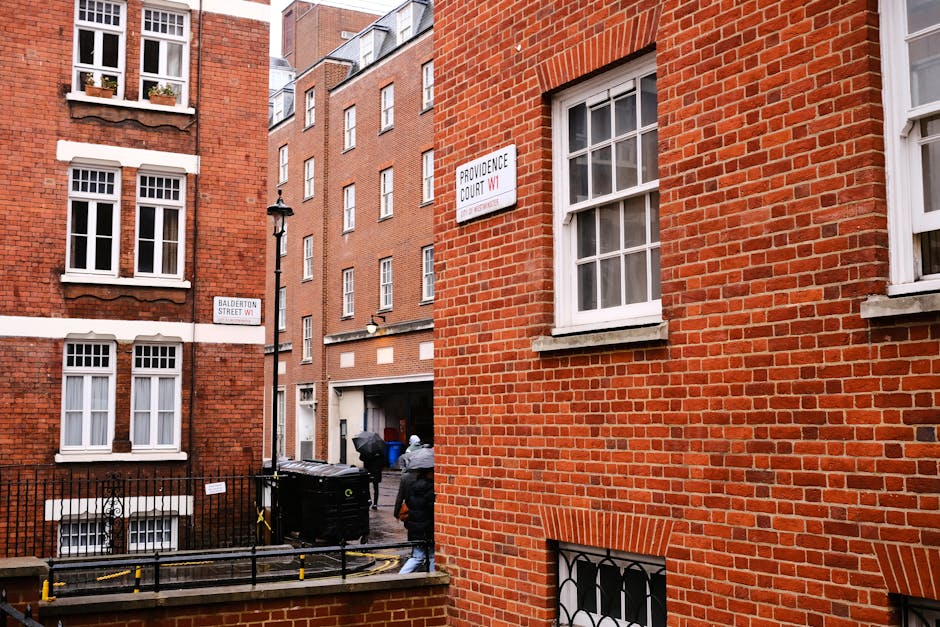
If you are dealing with a cramped flat, a stair-heavy building, and a deadline that does not care how busy your week is, Frith Street flat rubbish clearance tips for Soho W1 can save a lot of time, effort, and stress. Soho is lively, central, and brilliant in many ways, but rubbish clearance here tends to be a little less straightforward than in quieter parts of London. Narrow entrances, limited loading space, shared access, and awkward lift availability can turn a simple clear-out into a slow, sweaty puzzle.
This guide walks you through the practical side of clearing rubbish from a Frith Street flat, from sorting bulky items and timing the job properly to avoiding common mistakes and choosing the right disposal route. You will also find a realistic checklist, a comparison of methods, and a few locally sensible tips that make the whole process feel manageable. Truth be told, the difference between a smooth clearance and a messy one often comes down to preparation.
Why Frith Street flat rubbish clearance tips for Soho W1 Matters
Frith Street sits in a part of London where space is precious and timing matters. That affects every stage of a flat clearance. A job that would be simple in a suburban house can become awkward here because you are dealing with shared hallways, neighbours coming and going, tight staircases, and the everyday reality of central London traffic. If you have ever tried to move a wardrobe through a narrow landing while someone is heading out with a takeaway and a coffee, you know the feeling.
So why does a more careful approach matter so much? Because bad planning in Soho usually means more than inconvenience. It can mean blocked access, damaged walls, frustrated neighbours, extra trips, or items sitting in the flat longer than they should. In a busy area, those delays can quickly create a domino effect. One missed lift booking or one badly stacked pile of waste can throw the entire day off.
There is also a trust factor. Landlords, agents, leaseholders, and tenants all want the same thing: a clear flat, handled safely, with as little disruption as possible. A neat, organised clearance tends to move faster and look more professional. That is useful whether you are preparing for a move, ending a tenancy, restoring a property after a refurbishment, or simply reclaiming space from the mountain of things that somehow collected themselves in the corner.
For many people, the real issue is not the rubbish itself. It is the logistics around it. And that is exactly why local planning matters.
How Frith Street flat rubbish clearance tips for Soho W1 Works
At its simplest, flat rubbish clearance means collecting unwanted items, sorting them sensibly, removing them from the property, and sending them to the right disposal or recycling route. In a flat, though, the process is shaped by access and building rules. You are not just clearing items from a room; you are moving them through shared spaces without causing hassle or damage.
A sensible clearance normally follows a sequence like this:
- Identify what needs to go and what must stay.
- Separate reusable items from general rubbish and heavier furniture.
- Check access points, lift availability, parking limitations, and any building instructions.
- Book the right service or organise the removal method in advance.
- Move items out carefully, keeping walkways clear.
- Sort what can be reused, recycled, or handled as mixed waste.
- Leave the flat tidy enough for the next stage, whether that is cleaning, decorating, or handover.
If the clearance includes bulky furniture, broken household goods, or a mix of odd items from different rooms, it helps to think in categories. That is one of the most useful Frith Street flat rubbish clearance tips for Soho W1: do not treat everything as one big pile. The more you sort first, the less chaotic the removal becomes later.
In practical terms, you may find it useful to look at a broader flat clearance service if the job goes beyond simple bagged rubbish. For mixed household items and furniture, the company's furniture clearance and furniture disposal pages are also relevant, especially if you are trying to work out what happens to larger pieces once they leave the flat.
Key Benefits and Practical Advantages
The main benefit of a good clearance plan is very simple: it saves time. But the real value goes deeper than that. A well-organised flat rubbish clearance reduces stress, protects the property, and makes the whole process feel less invasive. You will notice the difference almost immediately once the clutter starts moving out.
- Less disruption: Fewer trips through communal areas and less time blocking hallways.
- Better safety: Heavy items are less likely to be dragged, dropped, or awkwardly carried down stairs.
- Cleaner handover: Helpful if you are ending a tenancy or preparing for a sale.
- Smarter sorting: Reusable and recyclable items can be separated more easily.
- Reduced stress: A clear plan feels much less overwhelming than a room full of unknowns.
There is also a financial angle, though it is worth being careful here. Costs can vary depending on volume, access, the type of waste, and how much labour is involved. A few minutes spent organising before collection can often reduce the amount of time the job takes. That is not magic, just common sense. A neat pile is cheaper to move than a room full of random objects wedged behind chairs and under beds.
If you want to compare different service types, it can help to review the company's waste removal approach alongside recycling and sustainability. Those pages are useful when you want to understand how general waste, furniture, and reusable items may be handled.
Who This Is For and When It Makes Sense
This kind of clearance advice is useful for a few very different people, and that is part of why it matters. Not everyone in Soho is dealing with the same kind of flat rubbish. Some are clearing out after a move. Some are making space before renovation. Others are dealing with inherited contents, a rental turnaround, or simply years of accumulated clutter.
It makes sense if you are:
- leaving a rented flat and need to clear items quickly
- preparing a property for new tenants or buyers
- clearing a compact studio or maisonette with awkward access
- disposing of old furniture, broken appliances, or mixed household waste
- working with a landlord, letting agent, or property manager
- trying to avoid repeated trips to disposal facilities
It also makes sense when time matters more than savings. If you have only a short window, or if you are working around building rules, a professional clearance route is often the calmer option. On the other hand, if the flat only contains a few bagged items and one small chair, a lighter approach may be enough. Not every job needs a full-scale clearance, after all.
For people with bigger moves or a mix of items across the home, the wider home clearance and house clearance pages may also be helpful. They give a sense of how different property types and item volumes are usually handled.
Step-by-Step Guidance
If you want a practical way to approach a Frith Street flat clearance, use this sequence. It is simple, but it works.
1. Walk through the flat first
Start with a slow, honest walk-through. Look in cupboards, behind doors, on shelves, and in the places where clutter always hides. The odd box under the bed or the half-empty storage corner can contain more than you think. Make a note of furniture, bagged waste, electronics, and anything that might need special handling.
2. Separate items into clear groups
Use categories such as keep, donate, recycle, and dispose. If you are unsure about an item, set it aside instead of guessing. One important lesson from lived-in flats: uncertainty creates delay. It is much easier to make decisions when items are already grouped.
3. Measure access properly
Measure stair width, note any tight turns, and check whether the lift is available. In Soho, a removal team may need to work around building entry times or loading restrictions, so planning access is not optional. It is the bit that prevents the day becoming a comedy of errors.
4. Protect shared areas
If you are carrying items through hallways or stairwells, use floor protection where needed and take extra care with corners, doorframes, and painted walls. A scuffed wall in a central London block can be annoying for everyone involved. Slow is often faster here.
5. Decide what needs specialist handling
Some items are straightforward, while others need more care. Mattresses, bulky wardrobes, broken glass, and mixed furniture waste are all best handled with a proper plan. If the clearance overlaps with building work, the builders waste clearance service may be useful too, especially where offcuts, packaging, or renovation debris are involved.
6. Book the removal for the right time
Morning slots often work well in busy areas because there is less congestion and fewer people moving through the building. That said, the best time is the time that fits your access rules. A perfect plan booked at the wrong hour is not much use.
7. Leave a final clear space check
Before finishing, check cupboards, windowsills, balcony areas, and behind larger pieces of furniture. It is surprisingly easy to leave one forgotten bag behind. We have all seen that one last item sitting there like it was determined to stay.
Expert Tips for Better Results
Here are a few practical tips that make a genuine difference in Soho flats. They are simple, but they save headaches.
- Use smaller bags for heavier waste: Overfilled sacks are awkward in narrow stairwells and can split at exactly the wrong moment.
- Keep one clear route out: Don't let sorted piles block the only exit path.
- Label piles plainly: "Recycle", "keep", "furniture", and "general waste" is enough.
- Take photos before the clearance: Helpful for records, handovers, or if you need to compare before-and-after.
- Check what can be reused: A chair, table, or cabinet might still have a second life even if it no longer suits your flat.
One more thing: do not leave sorting until the crew arrives unless you really have to. Yes, it can be done on the day, but you will usually pay for the extra time in one way or another. A small amount of prep goes a long way.
If you want to understand service standards and how reputable companies approach risk, the pages on insurance and safety and health and safety policy are worth a look. They help set expectations around careful handling and responsible working practices.
Common Mistakes to Avoid
Some mistakes are tiny in isolation but expensive in practice. Here are the ones that come up most often.
- Leaving everything until the final hour: This usually creates bottlenecks and missed items.
- Assuming access is easy: In Soho, it often isn't.
- Mixing all waste together: It slows sorting and can make recycling harder.
- Forgetting about neighbours: Noise, doors, and hallway clutter matter more than people think.
- Underestimating bulky items: Sofas and wardrobes look manageable until you get them in a narrow landing.
- Ignoring paperwork or service terms: Useful details are often in the small print.
There is also the classic mistake of thinking "it's only a few things" and then discovering three bags, a broken bed frame, a table, two lamps, and a suspicious drawer full of cables. It happens more than you would expect. A lot more.
Tools, Resources and Recommendations
You do not need specialist kit for every clearance, but a few basic tools make the job easier and safer.
- Heavy-duty bags: Better for mixed waste and less likely to tear.
- Gloves: Useful for sharp edges, dust, and awkward packaging.
- Tape and labels: Helps separate categories quickly.
- Measuring tape: Handy for checking furniture against doors and stairways.
- Furniture sliders or blankets: Useful when moving heavier pieces carefully.
- Notebook or phone notes: Good for keeping a running list of items to remove.
For people comparing services, the most relevant starting points are usually pricing and quotes, contact us, and the company's about us page if you want a better sense of who is handling the job. If the flat contains bulky seating, tables, or cabinets, the furniture-specific pages mentioned earlier are also useful.
In some cases, a broader service may be better than a narrow one. For example, if the flat is full of mixed contents after a long tenancy, a waste removal option can be more practical than trying to separate every item into tiny categories first. It depends on the situation, and honestly, on how much patience you have left.
Law, Compliance, Standards, or Best Practice
Clearance work in London should be handled carefully and in line with accepted UK waste practices. Without turning this into a legal lecture, the essentials are straightforward: waste should be handled responsibly, items should not be fly-tipped, and anyone arranging disposal should use a service that understands appropriate handling and transport.
For flat clearances in Soho W1, a few best-practice points stand out:
- keep pathways clear so nobody is put at risk
- avoid damaging communal areas during removal
- sort reusable and recyclable items where practical
- be clear about any hazardous or awkward items before collection
- check the service terms so expectations are aligned from the start
If you are dealing with unusual items, building debris, or mixed loads, ask questions early. That is not being difficult; it is being sensible. The same goes for security, payment, and service conditions. Reading the details in the terms and conditions can prevent misunderstandings later, especially in shared buildings where timing and access matter.
Best practice also includes sustainability where possible. Good clearance planning is not just about throwing things away faster. It is about choosing the right route for each item. That means reuse where suitable, recycling where possible, and general disposal only where needed. Simple idea, really. But it matters.
Options, Methods, or Comparison Table
There are several ways to approach a flat rubbish clearance in Frith Street and Soho W1. The right method depends on volume, access, time, and how much sorting you want to do yourself.
| Method | Best for | Pros | Drawbacks |
|---|---|---|---|
| Self-clearance | Small amounts of bagged waste | Lower direct cost, flexible timing | Time-consuming, tiring, awkward in tight access |
| Mixed flat clearance service | General household clutter and bulky items | Efficient, less lifting for you, better for larger jobs | Needs planning and clear item details |
| Furniture-focused removal | Sofas, tables, wardrobes, chairs | Good for bulky items, easier to organise | May not cover all general rubbish |
| Waste removal only | Bagged waste and mixed non-furniture rubbish | Simple, direct, often quick | Less suited to heavy furniture or large contents clearances |
If you are weighing up the options, think about what will actually be hardest on the day. Usually it is not the bin bags. It is the sofa, the wardrobe, or the awkward item that refuses to turn the corner. The right method is the one that reduces friction, not just cost.
Case Study or Real-World Example
Imagine a one-bedroom flat just off Frith Street. The tenant is moving out on a Friday, the inventory check is booked for the afternoon, and the flat still contains a broken chair, three bin bags of old paper and packaging, a small coffee table, and a wardrobe that has been disassembled but not exactly neatly.
A rushed approach would be to start moving everything at once. That usually means bags in the hallway, confusion over what should go where, and a lot of wasted energy. A better approach is calmer. First, separate the rubbish from the reusable pieces. Then check the route to the exit. Then move the small items out before the bulky ones. The disassembled wardrobe can be handled more safely if the pieces are tied or stacked in a controlled way.
In a real-world setting like this, the main win is not speed alone. It is control. The flat ends up empty, the communal space stays tidy, and the handover goes more smoothly. You can almost feel the tension leaving the room when the last item is gone. That little exhale? Very real.
If the same flat had included more mixed contents, the reader would probably have benefited from a fuller service like flat clearance rather than trying to piece together separate disposal steps. That is often the smarter choice when time is tight and the contents are more than just a few bags.
Practical Checklist
Use this checklist before the collection day. It keeps the job neat and stops forgotten items from causing problems at the end.
- Walk through every room and storage area
- Separate keep, donate, recycle, and dispose items
- Measure doorways, stairs, and lift access
- Check building rules and timing restrictions
- Protect floors and walls where needed
- Label furniture, waste, and reusable items clearly
- Set aside anything sensitive, valuable, or personal
- Confirm the service type matches the load
- Keep the exit route clear
- Do a final sweep before the team leaves
Small checklist, big difference. That is usually how it goes.
Get a free quote today and see how much you can save.
Conclusion
Frith Street flat rubbish clearance in Soho W1 is rarely just about moving waste out of a flat. It is about handling access, time, neighbours, building rules, and the practical reality of central London living. If you sort first, plan access properly, and choose the right removal method, the whole process becomes much easier. Less hassle, fewer mistakes, and a far better finish.
The key is not perfection. It is preparation. A little structure at the beginning saves a lot of pain later, and in a busy part of London that matters more than people sometimes admit. If you are facing a clearance soon, take it one step at a time. You will get there.
And when it is done, the room feels different. Quieter, somehow. Lighter.
Frequently Asked Questions
What is the best way to clear rubbish from a flat on Frith Street?
The best approach is to sort items first, check access carefully, and choose a clearance method that matches the amount and type of waste. In Soho, planning matters because space and loading access can be tight.
Do I need a full flat clearance or just waste removal?
If you mainly have bagged rubbish and a few loose items, waste removal may be enough. If you also need bulky furniture, mixed contents, or a more complete emptying of the flat, a full flat clearance is usually the better fit.
How do I prepare a small Soho flat for clearance?
Start by removing anything you want to keep, then separate rubbish by type. Clear a direct path to the exit, check lift or stair access, and label items so there is no confusion on the day.
What should I do with old furniture during a flat clearance?
Large furniture usually needs to be moved carefully and disposed of through the right route. If the items are still in decent condition, some may be suitable for reuse. If not, use a proper furniture disposal or furniture clearance service.
Can a clearance team work in a building with narrow stairs?
Yes, but the access details need to be checked in advance. Narrow stairs, tight turns, and small lifts all affect how the job is carried out, so it is best to mention those issues early.
Is it worth sorting recyclables before the clearance?
Yes, if you have time. Sorting reusable and recyclable items before the clearance can make the job cleaner and more efficient. It also helps avoid mixing everything into one large load.
How far in advance should I book a flat clearance in Soho W1?
As early as you can, especially if the property has access restrictions or you need the job done by a specific date. Last-minute bookings can still work, but advance planning gives you more control.
What items are often forgotten during a flat clearance?
People often miss items in cupboards, under beds, on balconies, and in storage corners. Small bags, cables, paperwork, and half-packed boxes are common oversights.
Are there safety issues I should think about before clearing a flat?
Yes. Heavy lifting, sharp edges, broken items, and cluttered walkways can all create risk. It helps to wear gloves, keep routes clear, and avoid carrying items that are too awkward or heavy without proper help.
What if my flat clearance includes renovation debris as well?
If the job includes leftover materials from decorating or refurbishment, a builders waste clearance approach may be more appropriate for those items. Mixed loads sometimes need a combination of services, depending on what is actually there.
How do I know whether a clearance company is trustworthy?
Look for clear service information, straightforward terms, and visible guidance on safety, pricing, and handling practices. Pages such as about us, pricing, insurance and safety, and health and safety can help you judge whether the service feels well organised.
Can I combine a flat clearance with other types of waste removal?
Often yes, depending on the load. If your flat contains furniture, household waste, and a few mixed items, it may make sense to discuss the job as a wider waste removal project rather than splitting it into several separate jobs.
What is the main mistake people make with flat rubbish clearance in Soho?
The biggest mistake is underestimating the access and timing issues. In a central London area like Soho, the actual challenge is often getting items out safely and without disrupting the building.